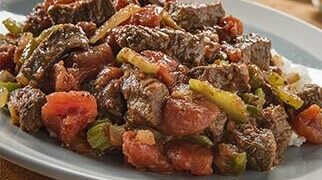










Diri Kole ak Pwa: The DNA of Haitian Gastronomy
Diri Kole ak Pwa (Rice Cooked with Beans) is the central pillar of the Haitian diet. While plain white rice is common, “Diri Kole” is the dish prepared to demonstrate domestic mastery. Unlike many other Caribbean cultures where rice and beans are served side-by-side, Haitians have perfected the art of “collé” (stuck together), where the rice is cooked directly in the bean broth. This allows every grain of rice to absorb the proteins, color, and earthy essence of the beans, creating a deeply savory and nutritionally complete masterpiece.
A History of Resistance and Nutrition
The combination of rice and beans is an ancestral tradition found throughout the African diaspora, from Jamaican Rice and Peas to Cuban Moros y Cristianos. In Haiti, this pairing was vital for survival; the amino acids in rice complement those in beans to form a complete protein. Historically, this dish was a bulwark against malnutrition during difficult times, but it eventually evolved into a celebrated festival food. The color of the rice—whether red, black, or white—is determined by the choice of bean and often dictates the tone of the meal.
The “Gratter”: The Connoisseur’s Prize
No reference article on Haitian rice is complete without mentioning Gratter (or “Grate”). This is the layer of crispy, caramelized rice that forms at the bottom of the cast-iron pot. In Haiti, the gratter is often the most sought-after part of the meal. It requires perfect fire management: hot enough to toast the rice without burning it. A high-quality Diri Kole must be “grenn” (meaning the grains are distinct and not mushy) while still retaining a slight humidity and a rich coat of oil.
Technical Reference Sheet
- Portions: 6 to 8 people
- Prep Time: 20 minutes (using pre-boiled beans)
- Cook Time: 35 minutes
- Calories: ~340 kcal per portion
- Variants: Red beans (classic), Black beans (elegant), Lima beans (regional).
Fundamental Ingredients
- The Grain: 3 cups long-grain white rice (Basmati or Jasmine).
- The Legume: 1 can (15oz) red kidney beans or 250g dried beans boiled until tender.
- The Liquid: 4 to 5 cups of water (including the bean broth).
- The Aromatics: 3 tbsp Haitian Épis, 2 tbsp oil or butter, 3 whole cloves, fresh thyme, salt, and pepper.
- The Signature: 1 whole Scotch Bonnet pepper and a final knob of butter.
The Cooking Protocol
- The Sauté: In a heavy pot (preferably cast iron), heat the oil. Sauté the Épis and cloves until the aroma fills the room. Add the beans (strained) and fry them with the Épis for 2 minutes to lock in the aromatics.
- The Infusion: Add the bean liquid and extra water. Season with salt and thyme. Bring to a boil. The water should be a rich, dark burgundy color.
- Washing the Rice: Rinse the rice multiple times to remove excess surface starch. This is the secret to “grenn” rice that doesn’t stick together in clumps.
- The Absorption: Add the rice to the boiling broth. Place the whole Scotch Bonnet pepper on top. Cook uncovered on medium heat until the liquid disappears from the surface.
- The Steam (Etouffée): Reduce the heat to the absolute minimum. Add a knob of butter. Cover the pot with a tight-fitting lid (use a plastic bag or foil under the lid for a perfect seal). Let it steam for 20 minutes. **Never** stir the rice during this stage.
Conclusion: The Eternal Companion
Diri Kole ak Pwa is the indispensable partner to Poul nan Sòs or Legim. It acts as a sponge for rich sauces and provides the hearty foundation for the Haitian palate. Mastering this rice is the key to the entire cuisine, a grain-by-grain story of patience and Caribbean generosity.